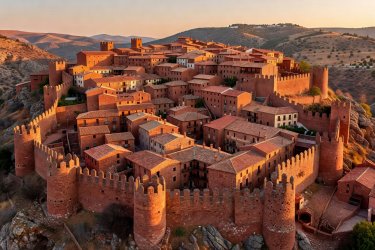
Topic 01
Streets With Their Own Rhythm
Fortified hamlets, schist villages, and isolated mountain settlements where human craft grew organically from the bedrock.
Explore VillagesA visual atlas dedicated to Europe's unhurried geography. Move past the congested selfie queues to uncover deep limestone valleys, cliff-hugging settlements, and historic textures that reward slow observation.
Find a fresh frameGreat imagery is not about checking off a trending coordinates pin. It is the subtle dialogue between sun angle, regional stone, moisture, and local geography across Europe's changing seasons.
Too much contemporary travel media relies on oversaturated presets that conceal the authentic character of European landscapes. When you photograph Albarracín's weathered reddish plaster at 7:00 AM or watch the morning mist lift above the Meuse river in Dinant, you encounter a subtle range of tones that no filter can replicate.
Our atlas prioritizes genuine optical reality: the cold blue hour along the Atlantic, the amber rake of Iberian sunshine, and the soft slate tones of Central European limestone.
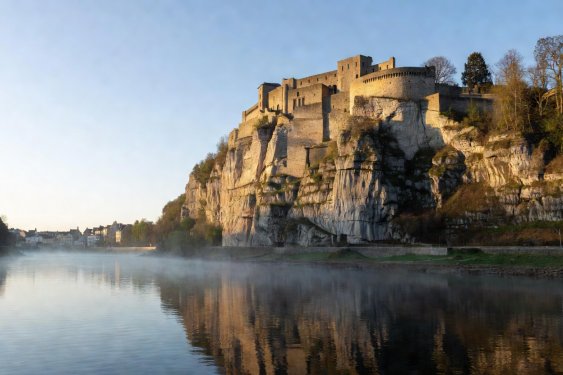
The limestone precipice of Dinant drops 100 metres sheer into the water, crowned by its 19th-century citadel and punctuated by the bulbous collegiate church spire.
Explore distinct visual typologies across the continent, each organized by landscape geometry, historic settlement patterns, and light quality.
Fortified hamlets, schist villages, and isolated mountain settlements where human craft grew organically from the bedrock.
Explore Villages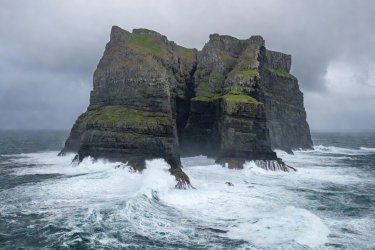
From North Atlantic sea stacks shrouded in maritime fog to turquoise Mediterranean coves carved into ancient volcanic tuff.
Discover Coasts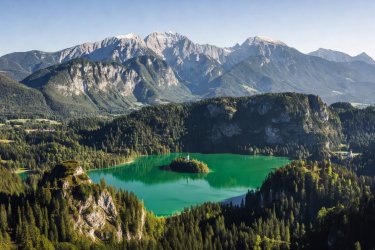
Europe's dramatic limestone massifs, high alpine passes, and glacial valleys where natural scale humbles any handheld device.
Scale the Heights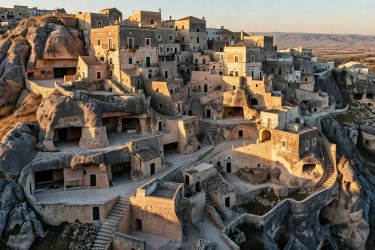
Lesser-documented architectural enclaves, stepped alleys, and quiet historic districts hidden within Europe's vibrant regional hubs.
Examine CitiesWhen mass tourism concentrates on five or six famous postcard towns, thousands of equally compelling European communities remain deeply rooted in their tranquil routines.
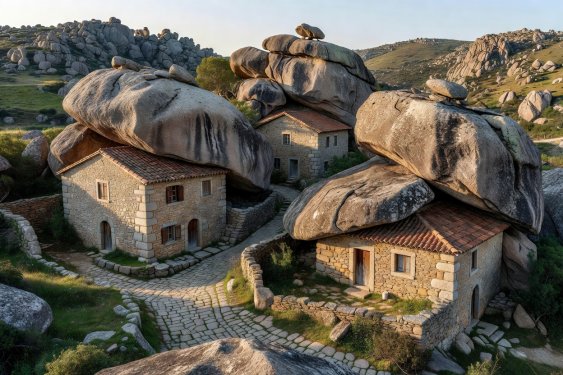
Perched on a steep hillside in central Portugal, the village of Monsanto incorporates giant 200-tonne granite boulders directly into cottage walls, lintels, and roofs. The structural tension between raw stone and weathered mortar produces unforgettable photographic angles throughout the day.
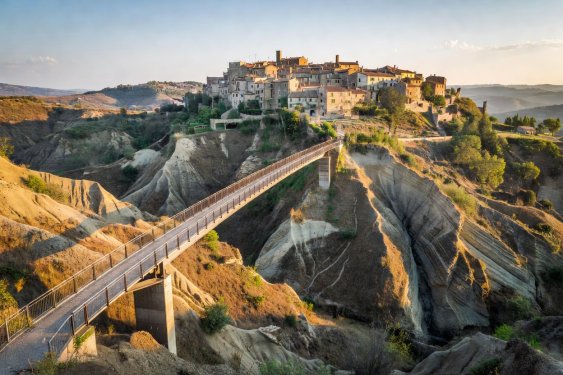
Known across Italy as the hilltop town perched above an eroding clay canyon, Civita is accessible only via a long concrete footbridge. Arrive before dawn when autumn valley mist completely submerges the gullies, leaving the medieval bell tower floating above a sea of cloud.
Preserving fragile European communities requires conscious field ethics from every travelling photographer.
A picturesque street is someone's doorway, vegetable patch, or morning walk to work. The surge in viral geotagging has created unsustainable bottlenecks in small European municipalities lacking parking, sanitation, or residential privacy protections.
We advocate for mindful photography: never step across private residential thresholds, avoid blocking narrow arterial steps with tripods during commute hours, and spend locally at independent bakeries, family trattorias, and regional transit services.
1. Honor Private Thresholds: Treat courtyards and open entryways as personal domestic spaces, not open studio sets.
2. Generalize Geotags: Reference regional valleys or provinces rather than precise residential door numbers on public social channels.
3. Observe Drone Ordinances: Abide strictly by European Union Aviation Safety Agency (EASA) rules and local municipal flight restrictions.
Key answers to help visual travellers navigate European lighting, regional seasons, and location access.
Late October through April offers the lowest sun angles, minimal haze, and significantly fewer visitors compared to the scorching summer midday. Midday heat in July washes out warm stone hues with flat, harsh shadows.
Most public pedestrian streets permit lightweight handheld shooting freely. However, deploying three-legged tripods in narrow historic centers (such as Matera, Český Krumlov, or Dubrovnik) may be regulated as commercial obstruction or require municipal permits. Keep your setup small and mobile.
Along the Faroe Islands, Lofoten, or Ireland's west coast, sudden squalls bring dramatic cloud breakaways. Always carry weather-sealed camera gear, dry microfiber cloths, and frame dynamic storm fronts rather than waiting for clear blue skies.
wavesscandinestl.pics is an independent documentary resource built for photographers, travellers, and visual creators who cherish regional texture over commercial hype.
We do not accept commercial product placements, sponsored hotel rankings, or tourism board subsidies. Every destination featured in our archive is selected through rigorous landscape analysis and historical architectural significance.
Read Our Editorial MethodologyHave you documented an overlooked stone hamlet, a high-altitude geological formation, or a coastal vantage with unique seasonal light? Share your coordinates and field notes with our editorial desk.
Compose a Location Note